Key Takeaways
- A new study finds that men tend to have higher standards and lower match rates on dating apps, often swiping for “perfect” matches based on superficial traits. This slows down an app’s matchmaking engine.
- The perception of unlimited options can inflate egos while setting men up for repeated disappointment that can harm confidence, fuel resentment, and discourage genuine engagement.
- Apps could encourage slower, compatibility-focused engagement, helping male users recognize and pursue real connection.
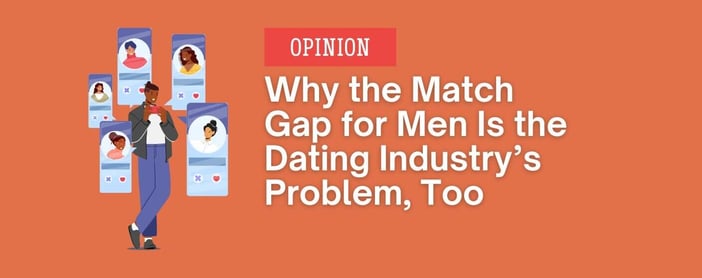
He matched with 200 women, messaged 50, and dated zero. Turns out, he was holding out for someone ‘perfect’ — and even the data says so. According to one recent study from PLOS One, men have much too high standards on dating apps (which, of course, is contributing to them not getting dates!)
“Every swipe can feel like a vote of confidence, and even the occasional match can trigger an inflated sense of desirability, even when match rates are actually quite low,” psychotherapist Brianna Paruolo told Dating News.
So, what gives? Well, the disconnect between the personas of two daters online and their in-person chemistry doesn’t usually become apparent until you’re on a date. But many men out there aren’t even getting the first date, let alone the third.
“I hear a lot from men about how the standards are ‘unrealistically high’ for them to meet today, and how dating apps favor the top top echelon of men,” one Reddit user even said.
And sure, one could argue that women (and folks of other genders) have super high standards, too. But as the study says, if men aren’t even matching on dating apps — or if they rarely are — could it just boil down to the fact that they are reaching for the stars (and not in a good way)?
And if that’s the case, and men aren’t matching as much, could we, as app makers, do something to help them? Or rid them of their ridiculously high standards? In case it’s not obvious, women aren’t meant to check every single box that a man thinks she should have (and vice versa!).
What may seem like a personal problem for men could be something the industry weighs in on, too.
The Study: What It Found and Why It Matters
To put it simply, men tend to have higher standards and lower match rates. Science says so! And this finding doesn’t just hurt your male dating app users. It slows down your app’s matchmaking engine and can create real friction in the funnel.
But that’s not the only real takeaway.
“While some standards might be inflated, I actually see the biggest negative impact come from the assumption of having unlimited options,” Paruolo said.
That, paired with the assumed abundance of how many matches a man thinks he can get, plus the instant gratification when he gets one, can create the perfect storm of male ego and matchmaking badness.
“When it comes to dating, your standards are significantly higher online than they are in person…,” said Mary, 30, who asked that her real name not be used. “Men are passing up potential dates on a dating app because their perception is skewed when having such little information to go on.”
What “High Standards” Really Mean
Maybe men are looking for their perfect woman: the blonde they love, the brunette they can’t wait to take out, the luscious lips, the curvy body, the tall and lengthy slim woman, the busty one. Sure, “high standards” can just be based on looks.
But they can be about other things, too. Like assuming you’ll have instant chemistry with someone, dating someone in a very “cool” or high-powered career, having a super high follower count or just being someone who has clout. Chances are, there are men out there who are swiping for these things, and no less.
Many men, according to Paruolo, also filter for lifestyle markers that sound impressive but may not actually matter for day-to-day compatibility — like someone’s job title, travel frequency, or social media presence.
Standards can range from physical appearance to political affiliation, said Paruolo.
“It’s interesting to push yourself further and ask what does physical attraction or being an alumni at a certain university actually signal to you?,” Paruolo asks. “Does a physically attractive person add to your own feeling of self-worth, signal your ego to fight to win this person or add to another narrative you’re telling yourself about who you should be with?”
“There’s this fantasy that the right person will feel effortless from day one,” One TikToker said. “But that’s not how intimacy works.”
Hence, the no dates. As a dating app user myself, I do see how dating profiles can almost become proxies for status, self-worth, or even someone’s fantasy narratives. But if I am being honest, I don’t get how men (let alone anyone) could get so lost in the sauce.
After all, don’t you want a real human partner?
The Emotional Fallout for Male Users
As a bisexual, polyamorous woman who often dates women or men as I choose, I have to say that most of the time, I choose to date women. The reason? Well, for starters, seeing studies like this. It’s hard not to see this data and feel turned off by it all.
And what men may not realize is that the very thing they think they want is actually deterring women, just like me, from matching with them. Enter: a cycle of disappointment and frustration for the men themselves.
“When reality doesn’t match expectations, it can lead to blaming external factors like ‘women are too picky’ or ‘the algorithm is rigged,’ rather than honest self-reflection,” Paruolo said.
“Emotionally, this breeds resentment and can actually decrease genuine confidence over time,” she said. “The constant rejection or lack of meaningful connections despite perceived high value becomes a hit to self-worth that many aren’t prepared for.”
The opposite may also be true, though. These same men may have an inflated ego from swiping and the occasional match, but they rarely form lasting connections.
So, Why Does This Matter for App Design?
With all that said, is there a solution? After all, we cannot infiltrate the minds of hundreds of thousands of men and change their self-image, their idea of a perfect partner, or how they choose to engage with folks on dating apps.
Well, wrong. Sort of. Dating apps can do something about the problem. Rather than dating apps rewarding this so-called superficiality and ego, perhaps instead, you could help users reframe what it is that they actually value.
“It’s definitely about shifting perspective rather than settling,” Paruolo explained. “The real work involves [helping users] get curious about what they’re actually seeking in a partnership versus what looks good on paper or feeds their ego.”
Are they swiping based on genuine compatibility markers or collecting trophies? Are they opening themselves to different types of connections? Are they willing to have conversations that might surprise them, rather than immediately categorizing people based on a few photos and bullet points?
Maybe helping men have fewer high standards and getting them in touch with themselves is the answer. Perhaps the answer is introducing a bit of friction to encourage a slower swiping process, or focusing on shared experience prompts to help match folks.
Or even creating educational nudges — something like a push-send that says “Are you passing up compatible matches?” — to help remind them of what they’re really after on the app.
Listen, if male users are expecting the perfect match to appear from a sea of curated profiles, they’ll keep swiping endlessly (and I guess anyone of any gender could feel this way.) But they’re leaving behind missed opportunities for real connection.
But the fix isn’t just in “lowering standards.” It’s asking yourselves: Can we help users want something real — and help them recognize it when they see it?