Key Takeaways
- As trust in legacy dating apps declines, users are increasingly turning to smaller, more authentic platforms that promise real-world connection.
- Hyperlocal, culturally tailored events are helping the dating app Pure drive user growth while building trust through IRL meetups.
- In a trust-deprived market, Pure’s IRL strategy helps it stand out by prioritizing user experience before app adoption.
There’s a common misconception among dating platforms that they must compete with each other. In reality, they’re not so much competing against each other as they are competing for you: your time, your energy, your money, your attention, and perhaps most importantly, your trust.
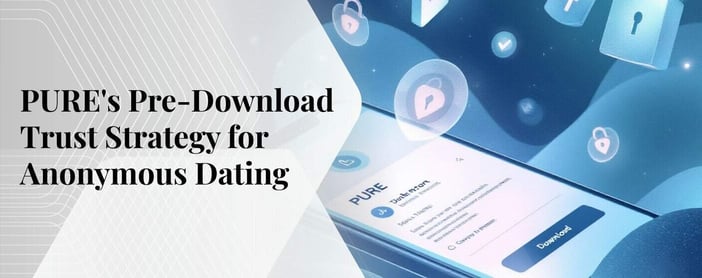
And yet, some dating apps and matchmakers expect users to prove themselves trustworthy before they can start to benefit from the app or matchmaker’s skills. But the dating app Pure believes it must earn the user’s trust before they download the app, not after.
Pure believes it must earn the user’s trust before they download the app, not after.
This strategy may sound unusual, but it makes sense: 44.6% of 1,500 Gen Z Americans told Pure that safety and trustworthiness are their top priorities in a partner. And last year, DatingNews found that 66% of surveyed dating app users don’t trust apps to keep them safe.
If this is the case, then why do so many apps expect users to click the “download” or “premium” buttons before the apps have even proven themselves to be safe spaces?
Modern daters often connect IRL interactions in safe settings to credibility and trustworthiness. This explains why Pure’s new Pleasure is Power campaign encourages users in London and Paris to swap swiping for the IRL connections facilitated by the app.
Users Are Losing Trust in Big Platforms
Legacy dating apps have a big problem: Users no longer trust them.
Tinder, Hinge, and Bumble claim to have the user’s best interests at heart, and to their credit, all three have innovated to provide safer and frictionless experiences for users. But these apps may have too much baggage to be completely trusted by swipe-fatigued daters.
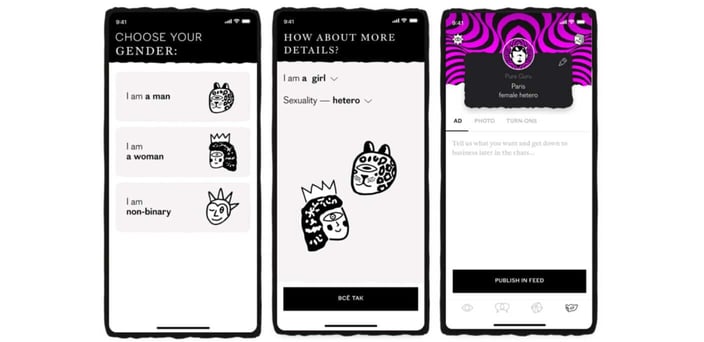
Users are craving newer, smaller-scale platforms because they often seem to have a tighter grasp on what the modern dater really wants: authentic and trusted connections with the energy of a meet-cute.
And the closest most daters get to meet-cutes these days is at dating events like those hosted by Pure.
Where once Pure focused on its international presence, now it’s zeroing in on its most popular cities. “It is a natural next step to deepen our reach locally,” Chantal Pesulima, Director of Integrated Marketing at PURE, said in a press release.
Hyperlocal Campaigns Are Powering Dating App Growth
Pure has proven that marketing events that are concentrated in specific cities, rather than certain countries or regions, can have a bigger impact on recruitment and engagement. This is especially true if the campaign is tailored to the issues and culture of the specific city.
Take its 2025 campaign in Paris, for example. “Liberté, Sécurité, Sensualité” led to a 20% increase in local registrations. And this impact was felt on an international level, too; registrations in New York City and LA increased by 10% following a US-focused campaign.
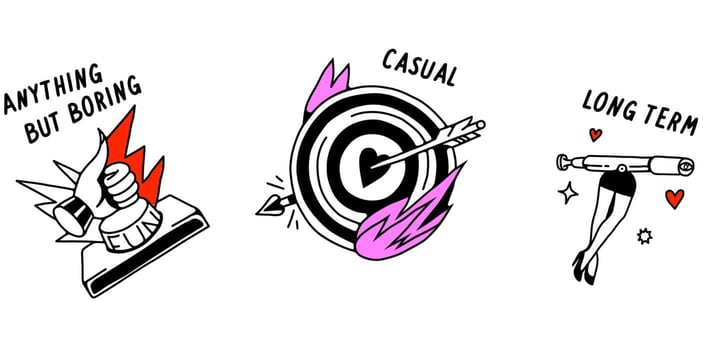
With its Pleasure is Power campaign, Pure isn’t only preaching sex-positivity to a select group of new and loyal users, but fostering trust by inviting these users to meet representatives from the app. These IRL events will take place at London’s Klub Verboten on April 10 and at different dates during April and May at Paris’ Le Mazette.
These events build trust by emphasizing the app’s own dedication to accountability. Have a gripe? Tell a Pure representative in person. Want to experience a real meet-cute? You may feel safer doing so in this environment, where participants ideally subscribe to Pure’s sex-positive mission just as much as you do.
To Stand Out, Dating Apps Are Going Back to Real Life
Pure’s concentration on IRL city-based events is only a piece of its marketing puzzle. These events also minimize the most common modern dating complaints, including ghosting (48%), low quality conversations (42%), and transactional swiping (30%), according to Pure’s survey of Gen Z Americans.
Although dating apps with months-long waitlists and uber-exclusive clientele have their own unique appeal, the modern dater is increasingly drawn to more straightforward, even old-school, ways of meeting people, such as IRL meetups.
Apps like Pure are challenged with providing something new and safe in a trust-deprived industry. “Women and Gen Z users who are tired of transactional dating apps… [are] hesitant to commit to something new,” Pesulima said.
Meeting users in real life “is how we earn the right to be on their phone.”
Pure meets this challenge by reframing the narrative. As Pesulima put it, meeting users in real life “is how we earn the right to be on their phone.” This echoes what I said earlier: The most successful dating apps are those that prove themselves trustworthy to you, instead of solely forcing you to prove yourself trustworthy to them.
Apps with true longevity don’t want to be “just another platform” eating up precious megabytes in your phone’s storage. Those that prove themselves to be consistently trustworthy and useful will usually stay relevant, whereas others go to the big Recently Deleted folder in the sky.
Pure’s smaller-scale campaigns and intimate IRL events reveal the app’s ultimate goal: to be seen as a trusted source for connection that puts users’ needs first, even before they download the app. When achieved, high-quality, authentic, and sex-positive connections are the cherry on top.