Key Takeaways
- The modern matchmaker's greatest value lies not in making introductions, but in helping clients navigate every stage of the dating process.
- Technology didn't replace matchmakers—it raised the bar for what clients expect and gave the best matchmakers new ways to deliver.
- As privacy and safety concerns grow, trust has become one of a matchmaker's most valuable services.
- As dating becomes more automated, the human touch has become a matchmaker's greatest competitive advantage.
“One of the biggest misconceptions [about how matchmaking has changed] is that technology has reduced the need for professional matchmakers,” Ethical Matchmaking Advocate Arlene Washburn told DatingNews. “I believe the opposite is true.”
She’s not the only one in the matchmaking industry to say so. We spoke to professional matchmakers from all different walks of life to hear their thoughts on how the matchmaker’s role has changed in the last ten years, and their responses make one thing clear: Modern matchmakers must be more adaptable than ever before.
Jessica Fass, Lisa Clampitt, and Tammy Shaklee, all founders of boutique matchmaking firms, told DatingNews that the days of simple introductions are over. Ethical Matchmaking Advocate Arlene Washburn agreed, as did Erika Kaplan of Three Day Rule, a national matchmaking company.
Nowadays, clients want more of everything: More attention, more guidance, and more options, to name a few. And, yes, they’re willing to pay for it.
From relationship coach to dating strategist, therapist, recruiter, and even part-time tech translator, today’s matchmaker wears more hats than ever before. Here’s how the job has evolved — and where it’s headed next.
Clients Don’t Only Want Intros — They Want Advice
Here’s a shock: The modern matchmaker’s job does not begin and end with an introduction.
It’s not unusual to come across a matchmaker with qualifications a mile long. They’re entrepreneurs, authors, philanthropists, therapists, relationship coaches, psychologists, activists, educators; the list goes on. Most importantly, they’re almost always certified.
In short: Modern matchmakers wear more hats than a hat rack.

“When I started Fass Pass to Love over a decade ago, clients were generally looking for pre-screening of potential matches and occasional feedback,” Fass told us. Nowadays, however, clients don’t only expect more, but need more from matchmakers.
And more times than not, what they need falls under the category of “coaching,” not matchmaking. This is partly why the premium matchmaking firm Three Day Rule offers the services of certified dating coaches in addition to matchmakers.
To better meet this need from a boutique standpoint, Fass told us that her company essentially teaches clients how to date. “Interpreting mixed signals, identifying both green and red flags, [and] rebuilding confidence after dating burnout” are just three of a litany of skills Fass teaches clients.
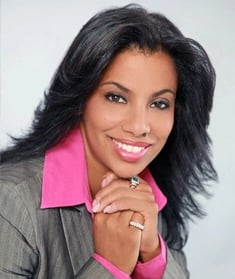
Teaching clients helpful dating skills is only part of the modern matchmaking process, Washburn explained. “Professional matchmakers are increasingly expected to help clients clarify their relationship goals [and] manage expectations,” she told us.
Of course, a matchmaker’s core responsibility hasn’t changed: to facilitate high-quality connections between people who otherwise wouldn’t have met.
“Matchmaking is a highly personalized, high-touch process built on understanding chemistry, values, and long-term compatibility, not just what appears in an online search,” matchmaker and founder of the Global Love Institute, Lisa Clampitt, told us. “Our role is to provide context, vet each introduction, and identify qualities that can’t be captured in a digital footprint.”
When learning from these matchmakers, I was struck by the emotional role they play in their clients’ lives. I realized that my original impression of matchmakers as puppeteers who simply tell daters where to go and who to meet up with was far from the reality. As Fass put it, today’s matchmaking clients usually want a “true concierge experience.”
“They want an advocate, strategist, coach, recruiter, confidant, cheerleader, and sometimes even a gentle therapist all rolled into one,” Fass explained. It seems to me that this, more than anything, is the key to a loyal client base: Providing support in every area of the client’s love life.
Modern Matchmaking Means Embracing Tech
“Ten years ago, much of a matchmaker’s value was tied to access,” Washburn told us. “Today, access is everywhere.”
She’s right — technology has changed daters’ definitions of convenience and connection. Finding The One is as simple as a swipe, right? With the world at our fingertips, it’s hard to believe that a matchmaker could have more to offer than an app.

“One of the biggest challenges today isn’t finding great matches, it’s helping clients resist the temptation to become their own screeners,” Clampitt said.
Apps can provide access to singles all they want; it means nothing if those singles are poor matches.
As Washburn explained, the competition brought on by dating apps has only made matchmakers stronger.
“Technology has elevated the profession by increasing the demand for experienced professionals,” she told us. Importantly, these professionals “can apply sound judgment, ethical standards, and a structured process that technology alone cannot provide.”
And in some ways, embracing technology has actually allowed matchmakers to reclaim the access they may have initially lost to tech. I’m reminded of matchmakers Lisa Ratner and Hayley Hurst, who have combined their client databases in order to expand their access, all while maintaining separate businesses.
Don’t forget: Matchmakers are, by definition, eternal optimists. If technology is going to change the matchmaking business, then matchmakers are going to use it to their advantage.
For Fass, embracing tech means accepting the habits — good and bad — that accompany dating app use. This is why her boutique teaches texting etiquette, optimizes dating app profiles, and helps clients juggle dating app matches and IRL connections.

Daters’ needs have changed because of tech, but that doesn’t mean matchmakers always have to change their own approaches. In fact, dating apps have exposed clear areas of need for daters. “Clients expect a much more personalized, high-touch experience that feels entirely different from what they have gotten on the apps,” Kaplan explained.
Shaklee’s company, H4M Matchmaking, takes this a step further by providing an offline experience. Her approach suggests that there’s really no wrong way to go about matchmaking, so long as one understands how modern daters feel about technology. Some love it, and some hate it, meaning there’s room for every matchmaking approach.
The best matchmakers don’t shy away from dating apps, but use them to their advantage. By providing both digital tools and a real, human touch, matchmakers can best give clients what they’ve been missing.
Do Matchmakers Provide Safety and Privacy?
Blind dates are all fun and games until you find yourself sitting across from someone who looks nothing like their picture, who sounds nothing like their texts, and who stares at you like you’re the last chicken leg at a picnic (and not in a fun way). The beauty of a matchmaker is that they can take away a lot of the guesswork that leads to this kind of scenario.
“Clients today are understandably much more cautious about who they meet,” Fass said. Are you going on a first date with a murderer? Probably not, considering you’ve been set up by someone who, in most cases, has verified your date’s identity and can vouch for their non-murderer status.
Fass said it well: “Building trust has become just as important as finding compatibility,” she said. “At Fass Pass to Love, we invest significantly more time screening, interviewing (up to 1 hour via Zoom), verifying identities, and getting to know our members before making introductions.”

Modern daters don’t only worry about their own physical security, but their data security, too. There are “greater expectations around privacy, ethics, documentation, AI, data protection, and responsible business practices,” according to Washburn.
It’s no wonder Tammy Shaklee provides an offline matchmaking experience. In an era of endless profiles, selfie verification, and data-sharing disclosures, Shaklee’s offline matchmaking has one undeniable selling point: clients know exactly who’s handling their personal information.
“Today, our offline, personal matchmaking clients need greater reassurance,” she told us. “We assure that we do not use AI, an algorithm, their private interviews are not recorded, and information is not for public access.”
Is AI Making the Human Touch Obsolete?
Even large-scale national matchmaking networks like Three Day Rule, which cater to premium, exclusive clientele, understand that today’s daters value the human touch.
“As AI and technology have made dating more efficient, the human side of our job has become even more valuable,” Kaplan said.
We can wax poetic about technology’s reach all we want, but what really matters is if technology can get through to the client. The matchmakers DatingNews spoke to made it clear that technology is a tool, not a replacement for human connection.
“In a world where technology offers endless options, people increasingly value having a trusted expert who provides perspective, accountability, and guidance throughout the process,” Kaplan explained.
You can’t underestimate the value of a matchmaking strategy formed by years of experience, not to mention trial and error. Simply put, AI and algorithms can replicate the human touch, but nothing beats the real thing.
When Shaklee says H4M provides “high-touch personal service with greater access to the Certified Matchmaker/Founder/Owner,” she means that her company allows for greater in-person bonding between matchmaker and client than a dating app could ever hope to provide.
This, she said, is what daters are really looking for these days: A highly personalized experience that fulfills our need for human connection. We know people want to meet IRL now more than ever; H4M’s dedication to offline connection makes this “high-touch personal service” possible for daters who need it.
In fact, daters’ preference for IRL meet-cutes has led to an industry-wide shift toward a human-led approach. “Today, many singles are experiencing dating burnout and are craving the empathy, perspective, and personalized guidance that only another person (i.e., matchmakers, coaches) can provide,” Kaplan explained.
Empathy, personalization, and expert guidance — three things that only a human being who cares about your love life can successfully provide. Who knows? Ten years from now, matchmakers may be more collaborative and more empathetic than ever.